
 +91-9467808888
 acudoctor.in@gmail.com
 ACUDOCTOR Health Institute 161, Sirsa Road, Near Hanuman Mandir Housing Board Colony Hisar, Haryana – 125001

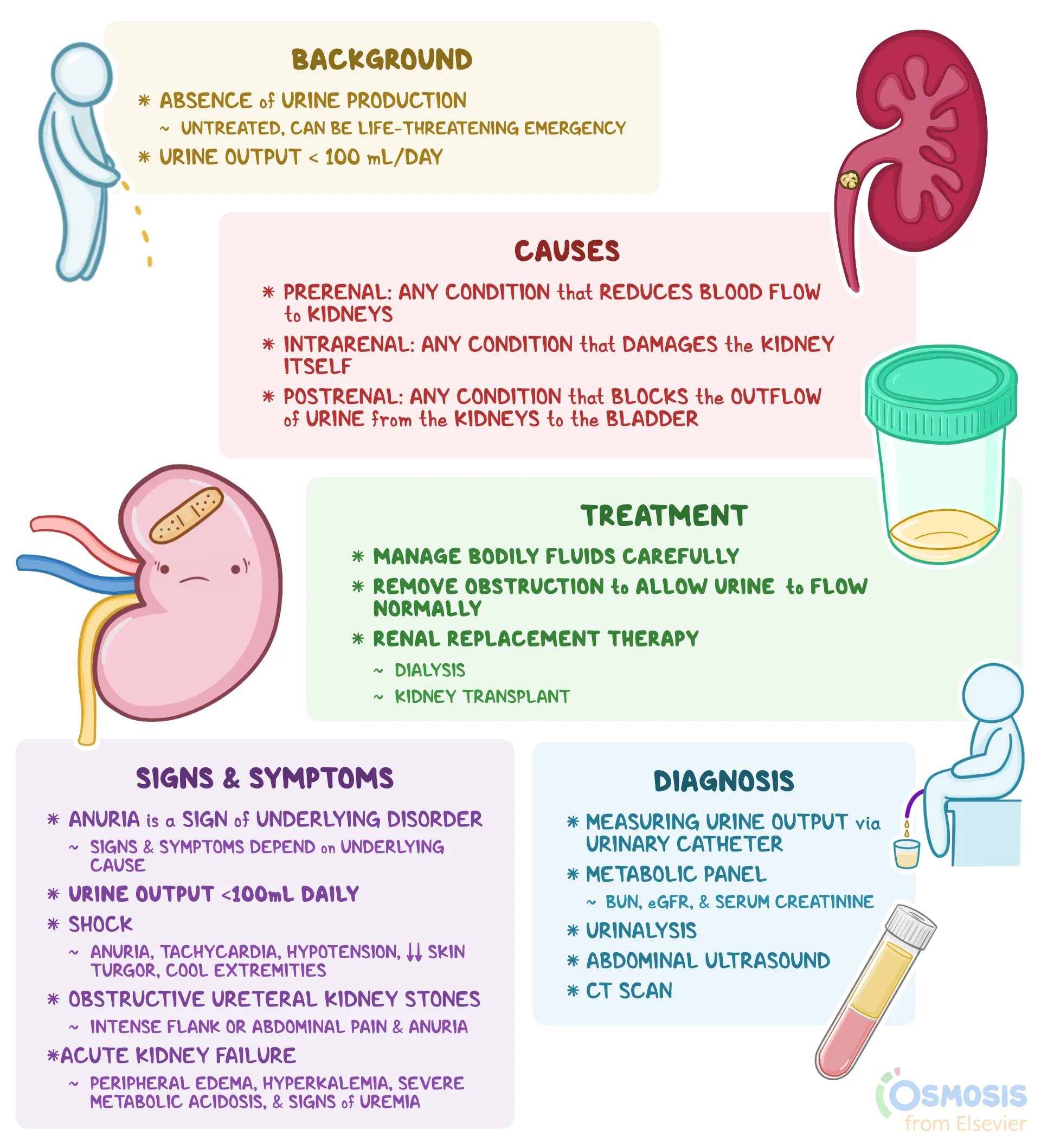
Acute kidney injury
Acute kidney injury (AKI), also known as acute renal failure, is a sudden and rapid decline in kidney function that occurs over hours to days, leading to the buildup of waste products, excess fluids, and electrolyte imbalances in the body. Normally, the kidneys filter blood and remove toxins through urine, but in AKI this process becomes impaired due to causes such as severe dehydration, blood loss, infections, low blood pressure, blockage of urine flow, or damage from medications and toxins. Common symptoms include reduced urine output, swelling of legs and face, fatigue, confusion, nausea, and shortness of breath, though mild cases may show few early signs. AKI is a medical emergency and requires prompt treatment to restore kidney function and prevent permanent damage. Management focuses on treating the underlying cause, maintaining proper fluid balance, and in severe cases using dialysis temporarily until the kidneys recover.