
 +91-9467808888
 acudoctor.in@gmail.com
 ACUDOCTOR Health Institute 161, Sirsa Road, Near Hanuman Mandir Housing Board Colony Hisar, Haryana – 125001

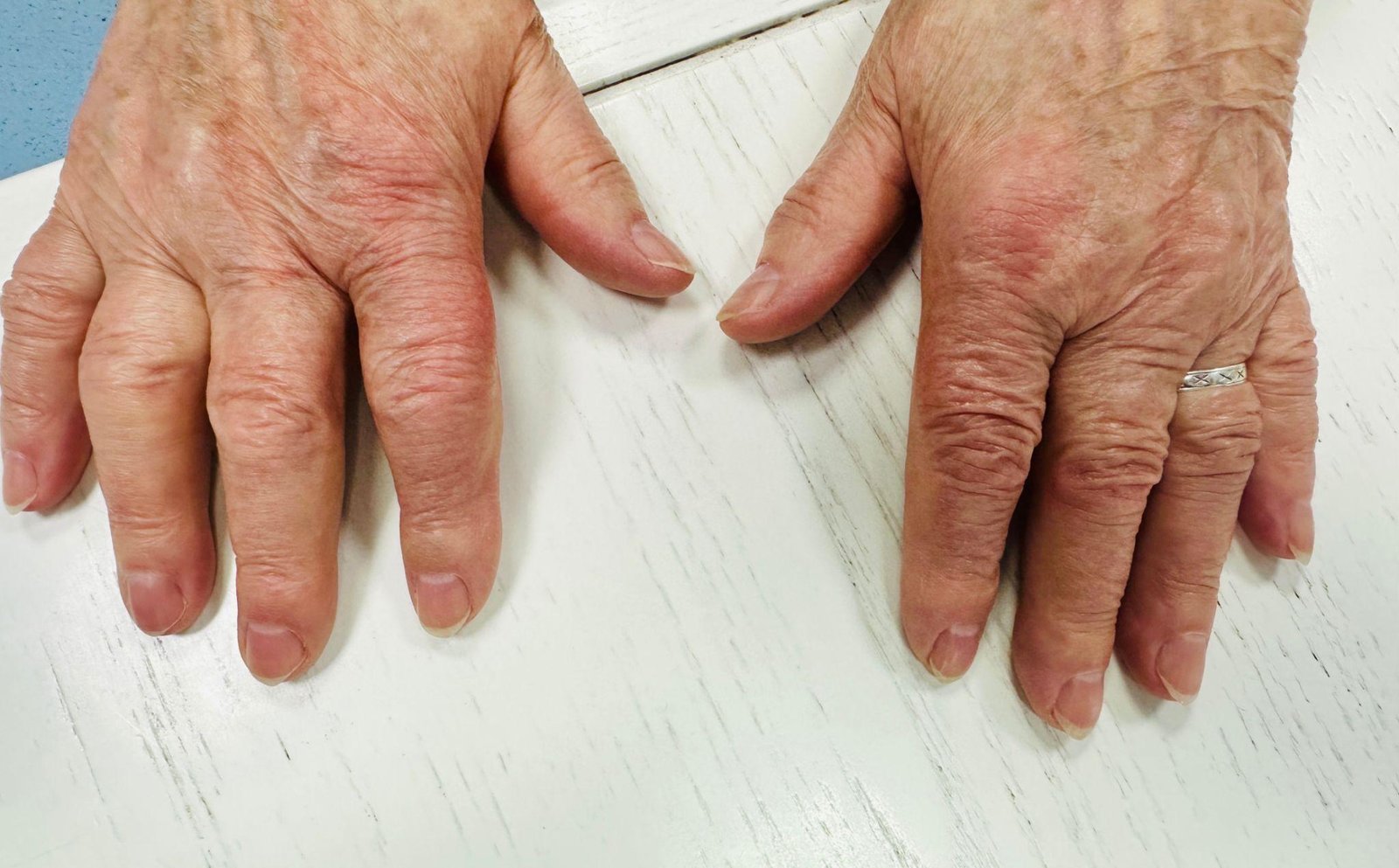
Autoimmune diseases
Autoimmune diseases occur when the immune system mistakenly attacks the body’s own healthy cells, tissues, or organs, treating them as foreign invaders. Instead of protecting the body, immune cells create chronic inflammation and tissue damage. Depending on the target organ, autoimmune disorders can affect joints (rheumatoid arthritis), skin and organs (lupus), nerves (multiple sclerosis), or hormone-producing glands (type 1 diabetes). Common symptoms include fatigue, pain, swelling, rashes, weakness, and organ dysfunction. The exact cause is not fully known but involves genetic factors, infections, and environmental triggers. Although most autoimmune diseases cannot be cured, treatments such as immune-suppressing drugs, anti-inflammatory medications, and lifestyle management help control symptoms and prevent serious complications.