
 +91-9467808888
 acudoctor.in@gmail.com
 ACUDOCTOR Health Institute 161, Sirsa Road, Near Hanuman Mandir Housing Board Colony Hisar, Haryana – 125001

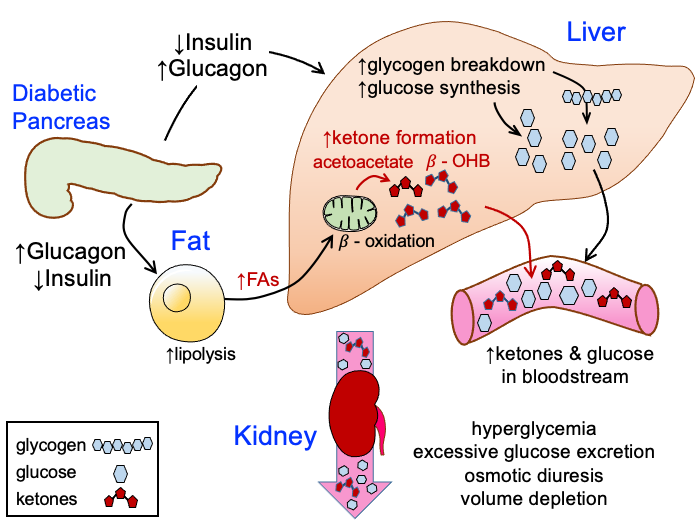
Diabetic ketoacidosis (DKA)
Diabetic ketoacidosis (DKA) is a serious and life-threatening complication of diabetes, most commonly seen in people with type 1 diabetes, though it can also occur in type 2 diabetes under severe stress or illness. It happens when the body lacks enough insulin to use glucose for energy, so it begins breaking down fat instead, producing acidic substances called ketones. As ketones build up in the blood, they cause the body to become acidic, leading to dehydration and electrolyte imbalance. Symptoms include very high blood sugar, excessive thirst, frequent urination, nausea, vomiting, abdominal pain, deep rapid breathing, fruity-smelling breath, confusion, and extreme fatigue. Without urgent treatment, DKA can lead to coma or death. Treatment involves intravenous fluids, insulin therapy, and correction of electrolyte levels in a hospital setting. Early recognition and proper diabetes management are key to preventing this dangerous condition.