+91-9467808888
 acudoctor.in@gmail.com
 ACUDOCTOR Health Institute 161, Sirsa Road, Near Hanuman Mandir Housing Board Colony Hisar, Haryana – 125001

Essential hypertension
1. Introduction
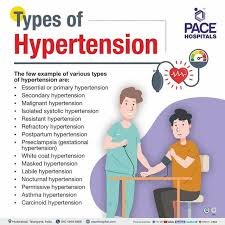
Essential hypertension, also known as primary hypertension, is a chronic medical condition in which blood pressure remains persistently elevated without any identifiable underlying cause. It accounts for nearly 90–95% of all hypertension cases worldwide.
2. Causes and Risk Factors
Although the exact cause is unknown, several factors contribute to the development of essential hypertension such as genetic predisposition, increasing age, obesity, excessive salt intake, lack of physical activity, stress, smoking, alcohol consumption, and unhealthy dietary habits.
3. Pathophysiology
Essential hypertension develops due to increased peripheral vascular resistance and abnormal regulation of blood volume and vascular tone. Hormonal imbalance, sympathetic nervous system overactivity, and endothelial dysfunction play important roles in raising blood pressure.
4. Clinical Manifestations
Most patients with essential hypertension remain asymptomatic for many years, which is why it is called the “silent killer.” When symptoms appear, they may include headache, dizziness, fatigue, blurred vision, palpitations, and occasional nose bleeding.
5. Diagnosis
Diagnosis is made by repeated blood pressure measurements taken on different occasions. Additional investigations such as blood tests, urine examination, ECG, and echocardiography may be performed to assess organ involvement.
6. Management and Treatment
Management includes lifestyle modification such as reduced salt intake, regular physical exercise, weight control, stress management, and avoidance of tobacco and alcohol. Pharmacological treatment includes diuretics, ACE inhibitors, ARBs, calcium channel blockers, and beta blockers as prescribed by the physician.
7. Complications
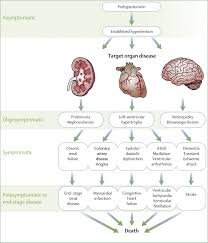
If left untreated, essential hypertension can lead to serious complications including coronary artery disease, stroke, heart failure, kidney damage, retinopathy, and peripheral vascular disease.
8. Prevention
Early detection through regular blood pressure monitoring, healthy lifestyle practices, balanced diet, physical activity, and stress reduction can effectively prevent the progression and complications of essential hypertension.
Essential hypertension is a chronic condition in which blood pressure remains persistently elevated without any identifiable underlying cause. It is also known as primary hypertension and accounts for the majority of hypertension cases.
Essential hypertension is a long-term medical condition in which blood pressure remains consistently higher than normal without a specific identifiable cause. It develops gradually over time and is influenced by genetic, environmental, and lifestyle factors such as stress, unhealthy diet, obesity, and physical inactivity. Most individuals do not experience noticeable symptoms in the early stages, which is why it is often called the “silent killer.” If left untreated, essential hypertension can damage vital organs including the heart, brain, kidneys, and eyes. Regular monitoring and proper lifestyle management play a crucial role in controlling this condition.
Symptoms:
- Chronic elevation of blood pressure
- No identifiable underlying cause
- Develops gradually over time
- Influenced by genetic and lifestyle factors
- Common in adults and elderly population
- Often asymptomatic in early stages