
 +91-9467808888
 acudoctor.in@gmail.com
 ACUDOCTOR Health Institute 161, Sirsa Road, Near Hanuman Mandir Housing Board Colony Hisar, Haryana – 125001

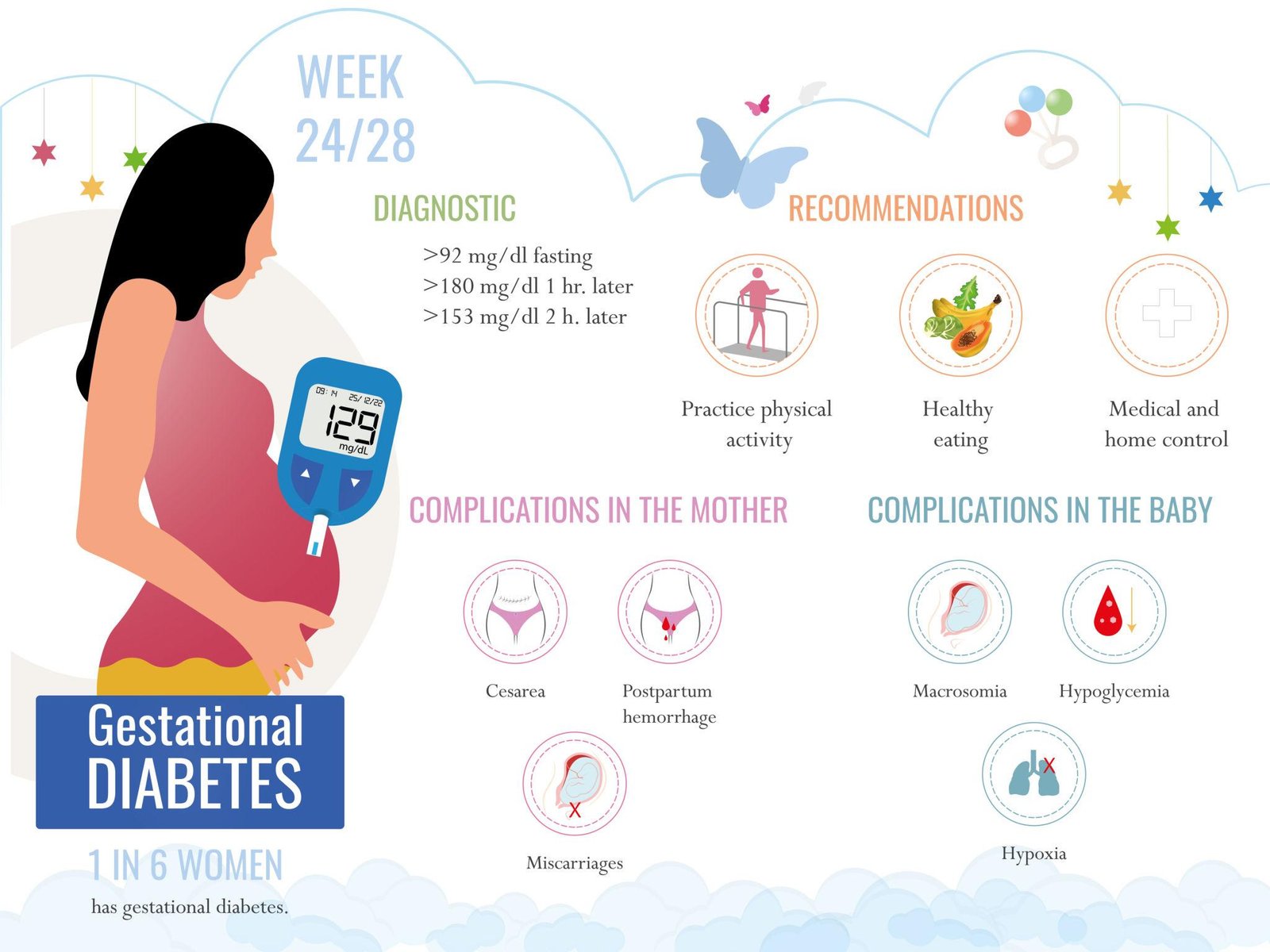
Gestational diabetes
Gestational diabetes is a type of diabetes that develops during pregnancy when hormonal changes interfere with the body’s ability to use insulin effectively, leading to high blood sugar levels. It usually appears in the second or third trimester and often goes away after childbirth, but it requires careful management to protect both mother and baby. Many women may not notice symptoms, though some experience increased thirst, frequent urination, fatigue, or blurred vision. If not controlled, gestational diabetes can cause complications such as large birth weight of the baby, difficult delivery, premature birth, and increased risk of type 2 diabetes later in life for both mother and child. Treatment typically includes healthy diet planning, regular physical activity, blood sugar monitoring, and sometimes insulin or medication. With proper care, most women with gestational diabetes have healthy pregnancies and babies.