
 +91-9467808888
 acudoctor.in@gmail.com
 ACUDOCTOR Health Institute 161, Sirsa Road, Near Hanuman Mandir Housing Board Colony Hisar, Haryana – 125001

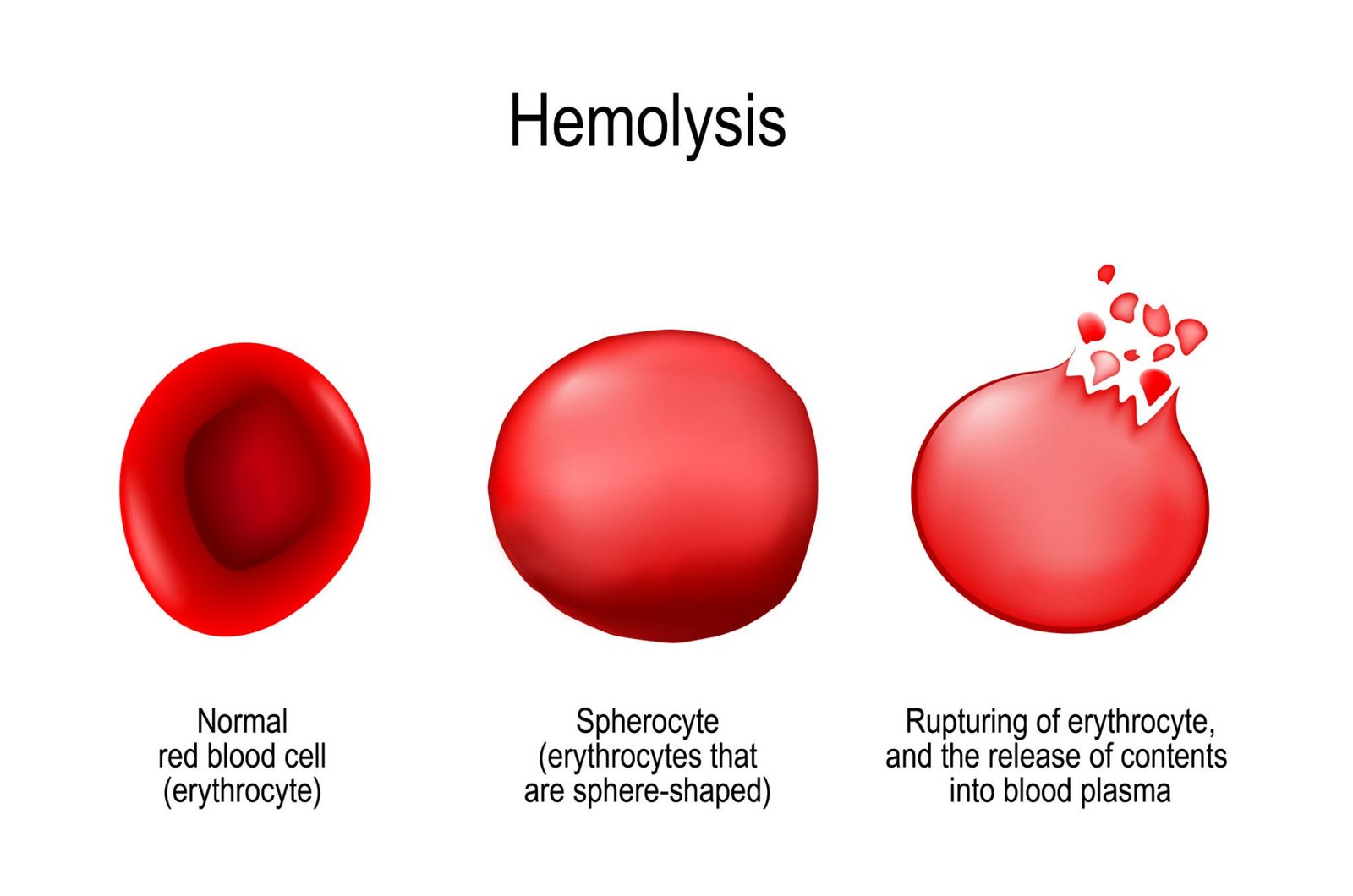
Hemolytic anemia
Hemolytic anemia is a condition in which red blood cells are destroyed faster than the bone marrow can replace them, a process known as hemolysis. Normally, red blood cells live for about 120 days, but in hemolytic anemia their lifespan is shortened due to immune reactions, genetic disorders, infections, certain medications, or mechanical damage within blood vessels. As red cells break down, the body struggles to deliver enough oxygen to tissues, causing symptoms such as fatigue, weakness, pale or yellowish skin (jaundice), dark urine, shortness of breath, rapid heartbeat, and an enlarged spleen. The spleen often becomes overactive as it removes damaged cells from circulation. Diagnosis involves blood tests showing low hemoglobin, increased bilirubin, and evidence of red cell destruction. Treatment depends on the cause and may include medications like steroids, blood transfusions, treating infections, or in severe cases removal of the spleen.