
 +91-9467808888
 acudoctor.in@gmail.com
 ACUDOCTOR Health Institute 161, Sirsa Road, Near Hanuman Mandir Housing Board Colony Hisar, Haryana – 125001

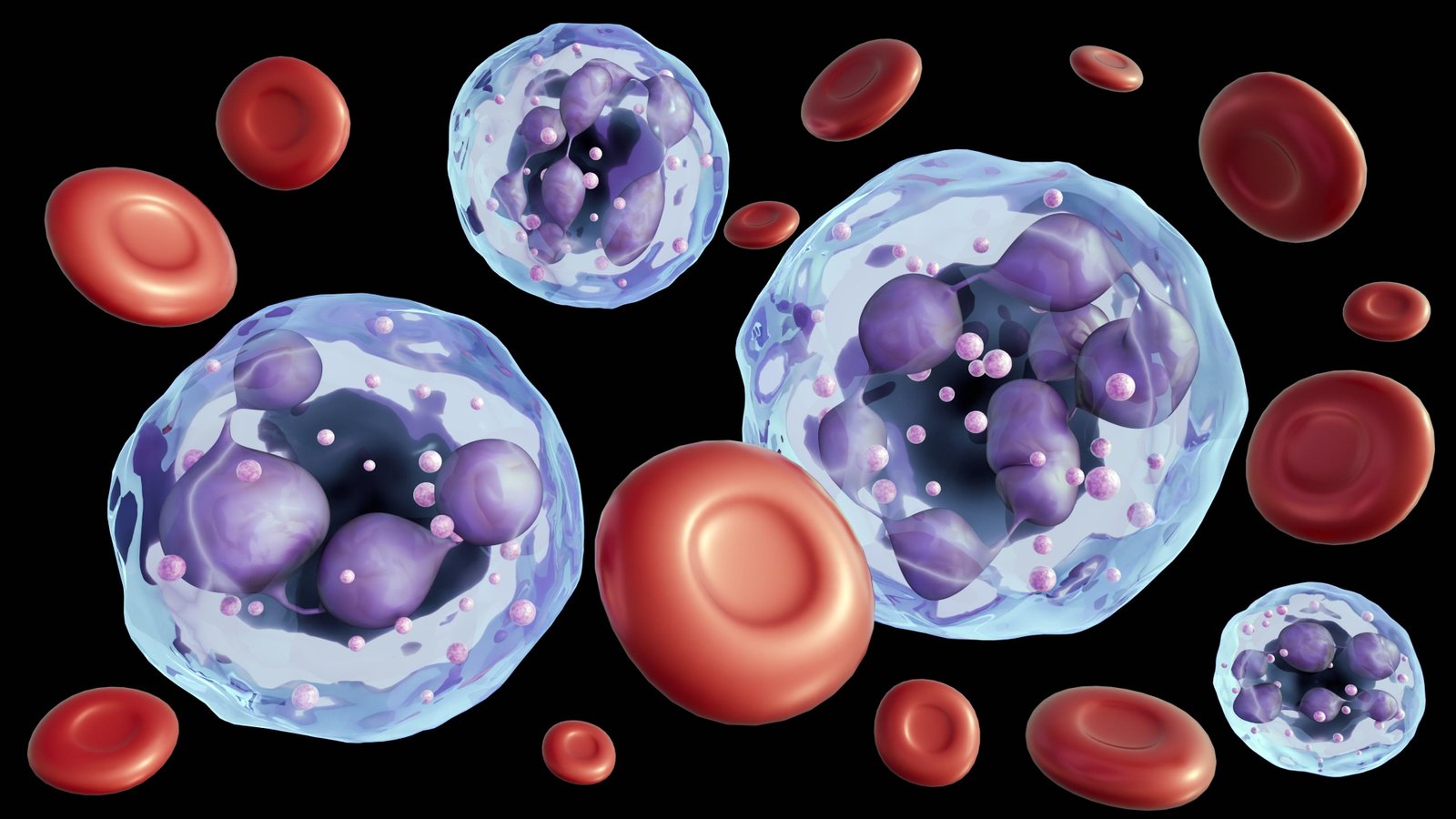
Megaloblastic anemia
Megaloblastic anemia is a type of anemia caused by impaired DNA synthesis in red blood cell production, most commonly due to deficiency of vitamin B12 or folic acid. Because the cells cannot divide properly, the bone marrow releases unusually large, immature red blood cells called megaloblasts, which are inefficient at carrying oxygen. This leads to symptoms such as extreme fatigue, weakness, pale skin, shortness of breath, dizziness, and sometimes nerve problems like tingling in the hands and feet (especially in vitamin B12 deficiency). Common causes include poor nutrition, malabsorption disorders, certain medications, and chronic alcoholism. Diagnosis is made through blood tests showing enlarged red blood cells and low vitamin levels. Treatment usually involves vitamin B12 injections or oral folic acid supplements, along with managing the underlying cause to restore healthy blood formation.