
 +91-9467808888
 acudoctor.in@gmail.com
 ACUDOCTOR Health Institute 161, Sirsa Road, Near Hanuman Mandir Housing Board Colony Hisar, Haryana – 125001

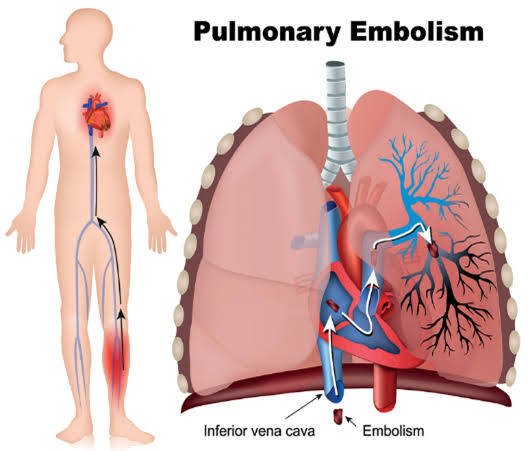
Pulmonary Embolism
Pulmonary embolism (PE) is a serious and potentially life-threatening condition that occurs when a blood clot blocks one or more arteries in the lungs. Most pulmonary embolisms develop from blood clots that travel from the deep veins of the legs, a condition known as deep vein thrombosis (DVT).
When the clot reaches the lungs, it restricts blood flow, reduces oxygen levels, and places strain on the heart. Depending on the size and number of clots, pulmonary embolism can cause mild symptoms or sudden death.
Immediate medical treatment is essential to restore blood flow and prevent further complications.
Causes, Symptoms and Treatment of Pulmonary Embolism
Pulmonary embolism usually occurs when a blood clot formed in the leg or pelvis breaks loose and travels through the bloodstream to the lungs. Risk factors include prolonged immobility, surgery, cancer, pregnancy, obesity, smoking, and clotting disorders.
Common symptoms include sudden shortness of breath, chest pain that worsens with breathing, rapid heartbeat, coughing (sometimes with blood), dizziness, and anxiety.
Diagnosis is made using CT pulmonary angiography, D-dimer blood tests, ultrasound, and chest imaging. Treatment includes anticoagulant medications, clot-dissolving drugs, oxygen therapy, and in severe cases, surgical or catheter-based clot removal.
Early detection greatly improves survival rates.
Symptoms:
- Sudden shortness of breath
- Chest pain
- Rapid heartbeat
- Cough with blood
- Dizziness or fainting
- Low oxygen levels
- Blood clot from legs
- Pulmonary artery blockage
- Life-threatening condition