
 +91-9467808888
 acudoctor.in@gmail.com
 ACUDOCTOR Health Institute 161, Sirsa Road, Near Hanuman Mandir Housing Board Colony Hisar, Haryana – 125001

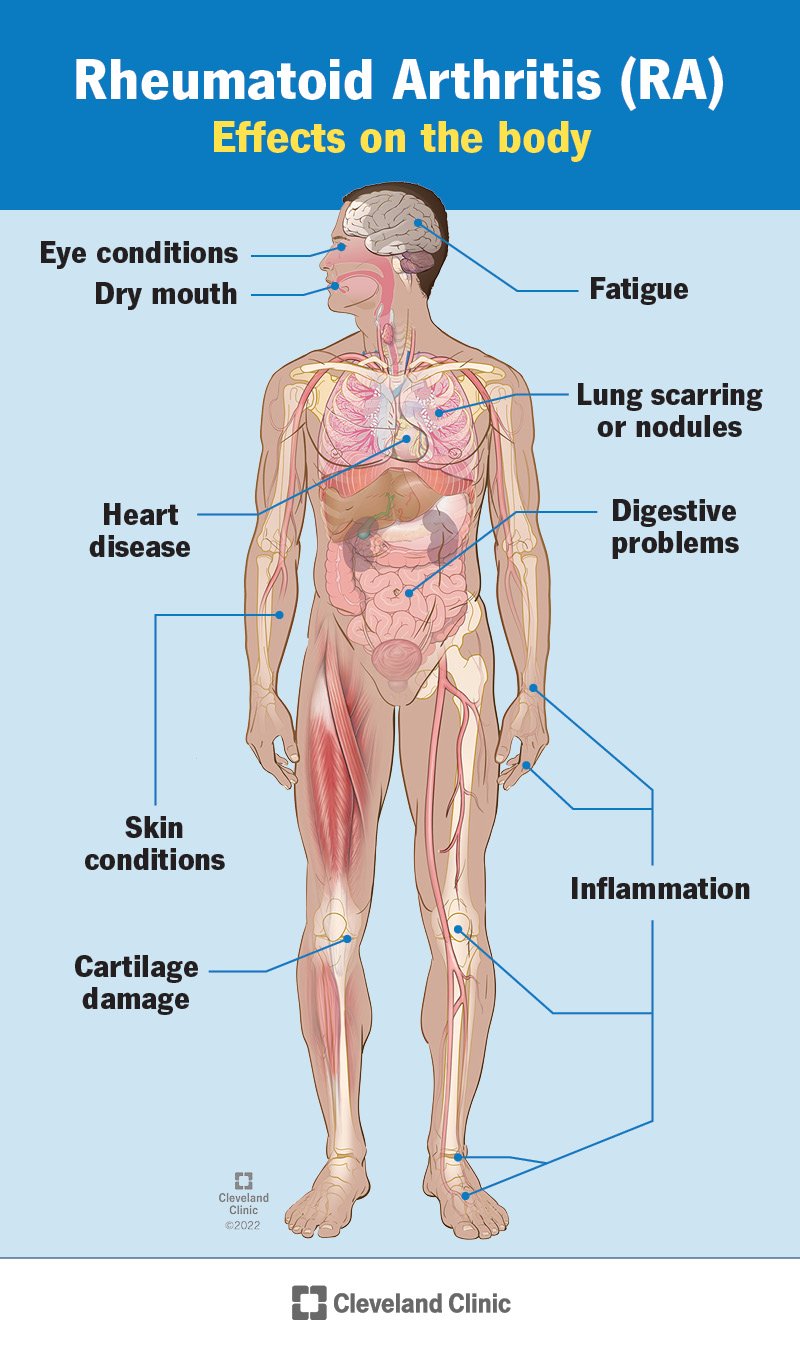
Rheumatoid arthritis
Rheumatoid arthritis (RA) is a chronic autoimmune disorder in which the immune system mistakenly attacks the lining of the joints, known as the synovium, causing inflammation, pain, swelling, and stiffness. It most commonly affects the small joints of the hands, wrists, and feet on both sides of the body. Over time, persistent inflammation can damage cartilage and bone, leading to joint deformities and reduced mobility. People with RA often experience morning stiffness lasting for hours, fatigue, low-grade fever, and general weakness. In some cases, RA can also affect other organs such as the lungs, heart, and eyes. Although there is no cure, early treatment with medications like disease-modifying antirheumatic drugs (DMARDs), biologics, and anti-inflammatory therapies can slow disease progression, relieve symptoms, and help maintain a good quality of life.