
 +91-9467808888
 acudoctor.in@gmail.com
 ACUDOCTOR Health Institute 161, Sirsa Road, Near Hanuman Mandir Housing Board Colony Hisar, Haryana – 125001

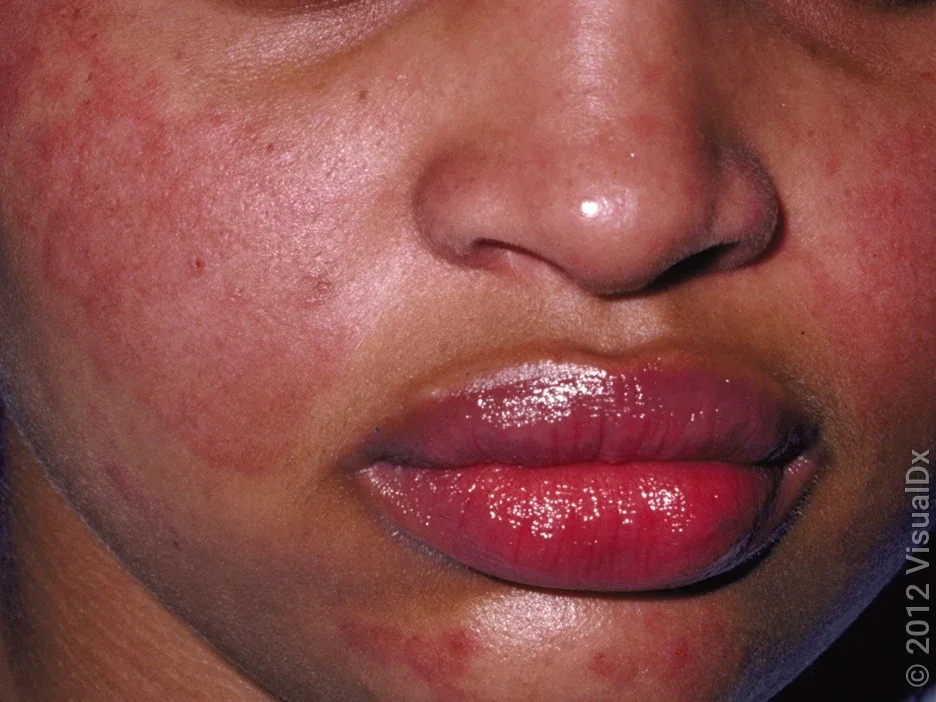
Systemic lupus erythematosus
Systemic lupus erythematosus (SLE) is a chronic autoimmune disease in which the immune system mistakenly attacks healthy tissues throughout the body, causing widespread inflammation and organ damage. It can affect the skin, joints, kidneys, heart, lungs, brain, and blood cells. One of the most recognizable signs is the butterfly-shaped rash across the cheeks and nose, especially after sun exposure. Common symptoms include fatigue, joint pain and swelling, fever, skin rashes, hair loss, and sensitivity to sunlight. In severe cases, lupus can damage vital organs such as the kidneys and heart, making early diagnosis and treatment essential. Although there is no cure, lupus is managed with medications that reduce inflammation and suppress immune activity, along with lifestyle care to control flare-ups and maintain quality of life.