
 +91-9467808888
 acudoctor.in@gmail.com
 ACUDOCTOR Health Institute 161, Sirsa Road, Near Hanuman Mandir Housing Board Colony Hisar, Haryana – 125001

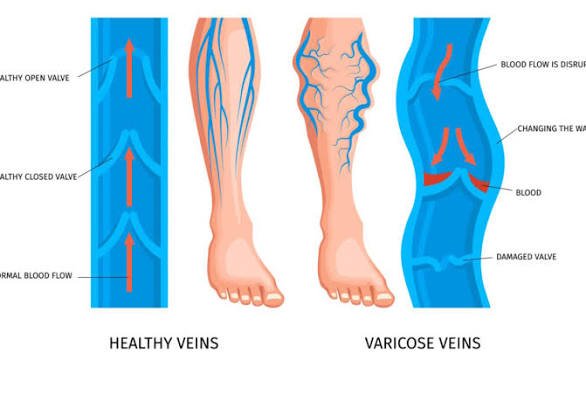
Varicose Veins
Varicose veins are enlarged, twisted, and swollen veins that usually appear on the legs and feet. They develop when the valves inside the veins stop working properly, causing blood to flow backward and pool in the veins.
This increased pressure makes the veins stretch, enlarge, and become visible under the skin. Varicose veins are commonly blue or dark purple in color and may cause discomfort or cosmetic concern.
Although often not dangerous, untreated varicose veins can lead to pain, skin changes, ulcers, and blood clots in severe cases.
Causes, Symptoms and Treatment of Varicose Veins
Varicose veins occur due to weak or damaged vein valves. Risk factors include prolonged standing or sitting, obesity, pregnancy, aging, family history, and lack of physical activity.
Common symptoms include aching pain, heaviness in the legs, swelling, burning sensation, itching, and visible twisted veins. Symptoms often worsen after long periods of standing.
Diagnosis is usually done using physical examination and Doppler ultrasound. Treatment options include compression stockings, lifestyle changes, medications, laser therapy, sclerotherapy, and surgical vein removal in advanced cases.
Early treatment helps prevent complications and improves quality of life.
Symptoms:
- Bulging twisted veins
- Leg pain or heaviness
- Swelling in legs
- Burning or itching
- Skin discoloration
- Night cramps
- Prolonged standing risk
- Weak vein valves